
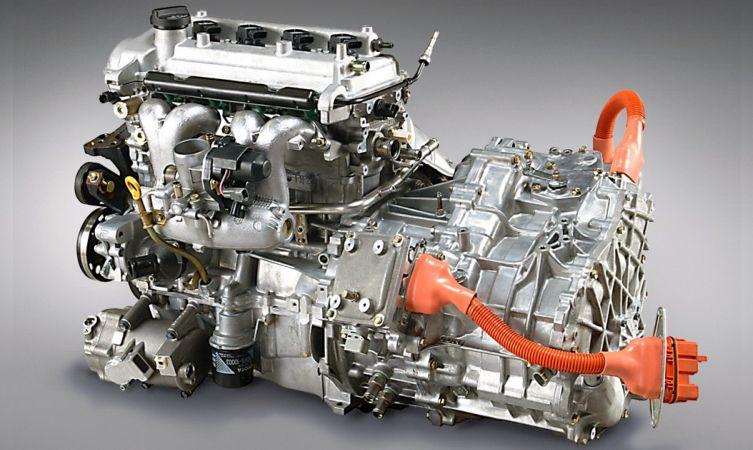
Most Toyota and Lexus hybrids use engines on the Atkinson cycle (or a variant of it). They are more economical than classic Otto engines, but they build torque differently — so the electric motor takes the role of “pulling the car along”.
Atkinson versus a classic engine
An Atkinson engine opens the valves differently, which improves thermal efficiency at the cost of maximum torque at low revs. In a hybrid that is not a problem: when power is short, the electric motor assists, and surplus energy returns to the battery.
Driving on a trip
- At a steady 90–120 km/h the engine often works at its best point, and the battery only trims the load.
- On climbs you hear the revs rise — that is planned behaviour, not the engine “choking”.
- A sudden overtake uses more fuel than smoothly building speed in advance.
Town versus the motorway
In town the Atkinson engine works best with frequent energy recovery. On the motorway aerodynamics and a steady speed matter — avoid “pogo” between lanes, and fuel use will be closer to the maker’s figure.
Engine service in a hybrid
Oil-change intervals are sometimes the same as in conventional Toyotas, but on short trips and with long stops it is worth shortening the check. Oil, the air filter and the cooling system also affect the operating temperature of the whole hybrid system.
Planning a long trip and want to check the hybrid system first?
Visit Green Serwis in Krakow — we specialise in Toyota and Lexus hybrids.
Book a visitSummary
Regular diagnostics and careful use keep a hybrid free of surprises. If you have questions after reading — see our hybrid service or contact us.
