
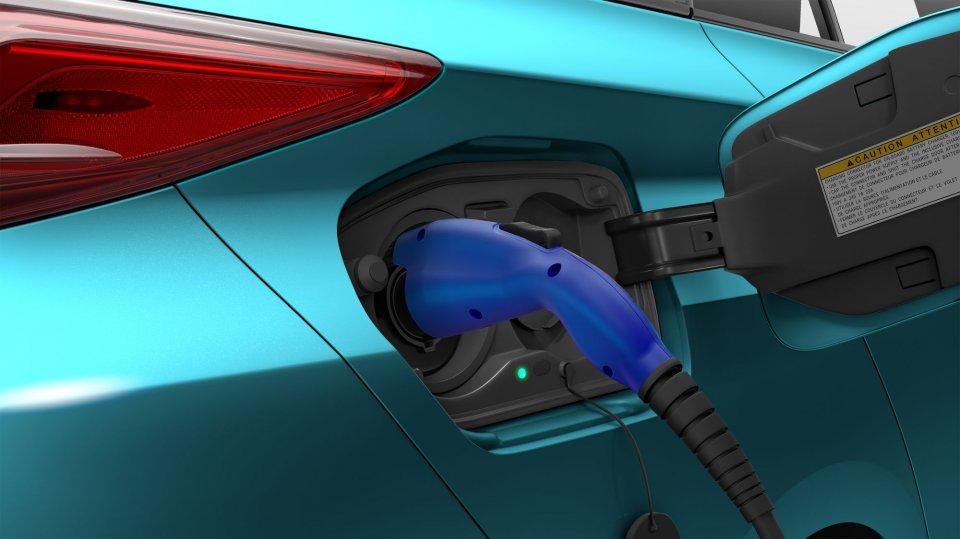
A PHEV (plug-in hybrid) combines a hybrid drivetrain with a battery you can charge from a socket. A Prius Prime, RAV4 Prime or Lexus NX450h+ allows dozens of kilometres on electricity before the petrol engine starts.
HEV versus PHEV — the main differences
- Battery capacity — much larger in a PHEV
- AC charging — normally from a wallbox or a household socket
- Weight and price — higher, but lower fuel costs if you charge every day
How to charge safely at home?
Use a sound cable and a circuit with the right protection. Avoid extension leads in the rain and damaged sockets. After a storm it is worth looking at the plug and the charge port — water in the connector is a common cause of charging faults.
PHEV battery condition
A PHEV has deeper discharge cycles more often than a conventional hybrid. That is not a problem if the BMS works correctly, but a capacity and cell-balance diagnostic every 1–2 years gives more peace of mind than in an HEV.
When a PHEV does not pay off?
If you cover few kilometres a year and do not charge from a socket, a PHEV loses its advantage — you are left with a larger, heavier battery and no benefit. A conventional HEV hybrid is then often the more sensible choice.
You have a PHEV and want to check the battery after a season of charging?
Visit Green Serwis in Krakow — we specialise in Toyota and Lexus hybrids.
Book a visitSummary
Regular diagnostics and careful use keep a hybrid free of surprises. If you have questions after reading — see our hybrid service or contact us.
